Exploring Transylvania’s Living Landscapes
A photographic journey through ecology, heritage, and rural culture
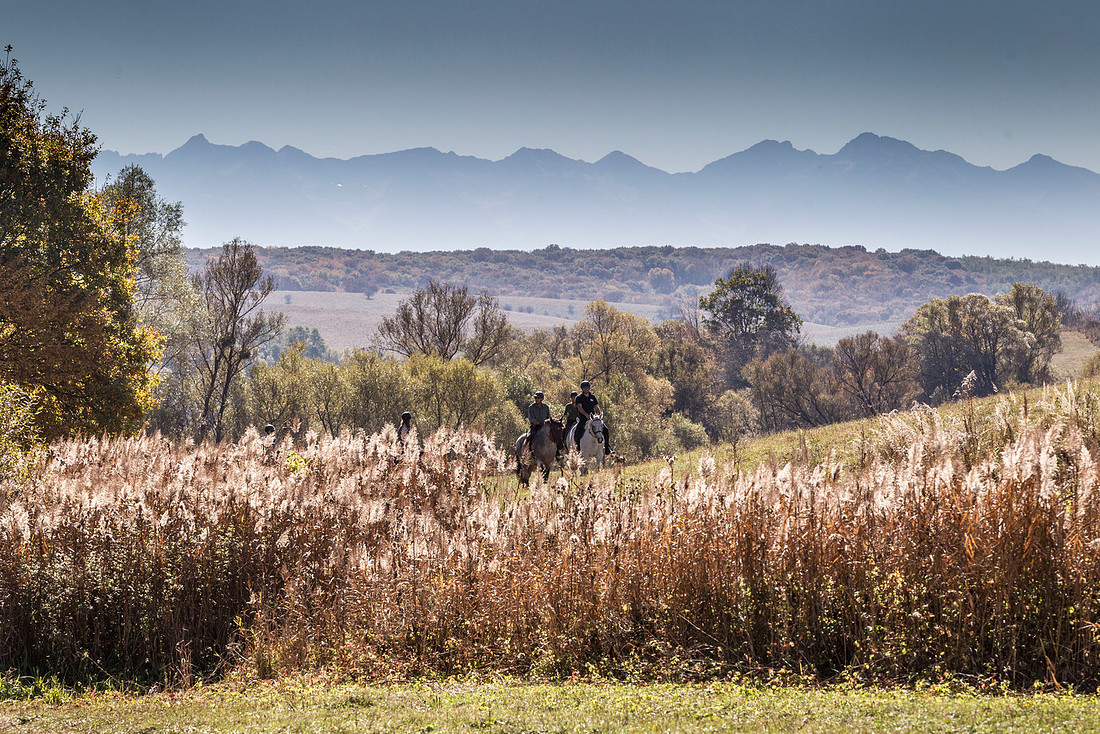

Earlier this year I travelled to Transylvania on what was intended to be a fact-finding visit, exploring the possibility of developing a series of small, immersive BioCultural Tours in one of Europe’s most remarkable and least understood landscapes.
As a photographer, dendrologist, and ecologist, I have always been drawn to places where landscape, biodiversity, and human culture remain deeply connected. In much of Europe, that relationship has become fragmented or lost altogether. In Transylvania, however, it still survives in a way that feels both rare and profoundly important.
This was not simply a photography trip. It was an opportunity to better understand how traditional farming, woodland management, craftsmanship, biodiversity, and village life have coexisted here for centuries, creating landscapes that are not only beautiful but ecologically rich and culturally resilient.
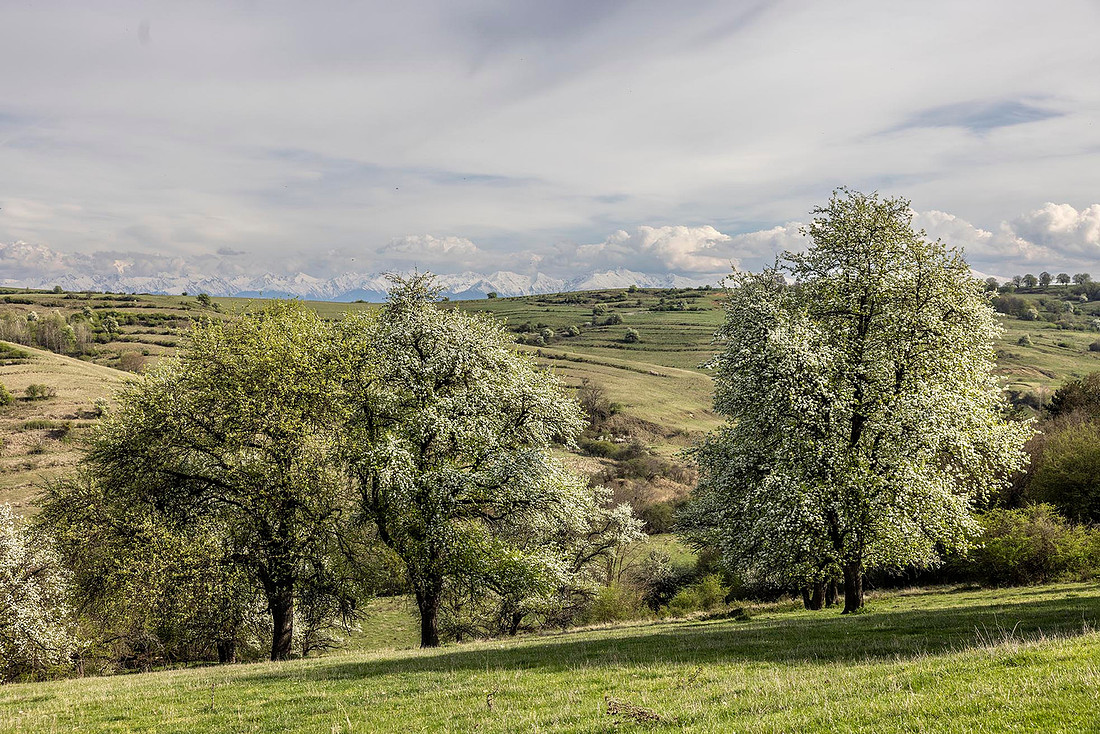
Based in and around the village of Apos, I spent time walking through species-rich wildflower meadows, ancient wood pastures, beech forests, and traditional Saxon villages, meeting many of the people working to protect and restore these landscapes and communities. The pace of life here feels entirely different from much of modern Europe — quieter, slower, and more connected to seasonality and the rhythms of the land.
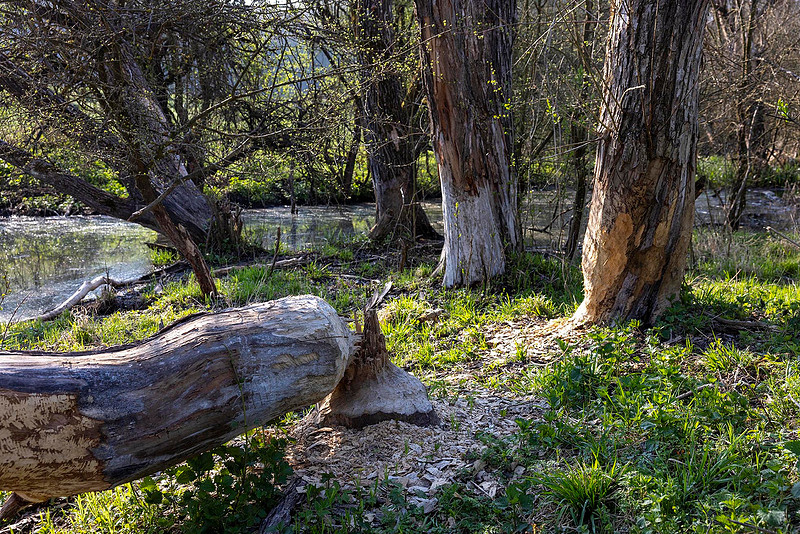
One of the most striking aspects of the journey was the extraordinary biodiversity that survives within these traditional agricultural systems. The landscapes support deer, foxes, wild boar, beavers, and an abundance of birdlife including hoopoes, bee-eaters, storks, woodpeckers, and birds of prey. Wolves still survive in the surrounding wilderness regions, existing alongside rural communities in a delicate balance that has largely disappeared elsewhere.
Photographically, the region offers endless inspiration. Morning mist drifting across hay meadows, ancient oak trees standing alone in wood pastures, fortified churches emerging above village roofs, traditional horse and cart transport, craftsmen working by hand, and the remarkable textures and colours of a living rural landscape shaped over centuries.
During the trip I also visited a number of restoration and conservation projects connected to local communities and heritage organisations, including initiatives supported by HM King Charles III. These projects are not simply about preserving old buildings; they are about sustaining entire cultural landscapes and the ecological knowledge embedded within them.
What became increasingly clear throughout the journey was that Transylvania is not a museum or a nostalgic recreation of the past. It is a living landscape that still functions through relationships between people, land, wildlife, and tradition. Yet these systems are fragile and increasingly under pressure from modernisation, migration, industrial agriculture, and economic change.
The purpose of these future BioCultural Tours is not simply to “visit” Transylvania, but to experience and better understand these landscapes through direct engagement with the people who live and work within them. By travelling in small groups, we hope to create opportunities for meaningful conversations, deeper access, and a slower, more thoughtful way of exploring.
As both a photographer and someone deeply engaged in ecology, trees, and environmental stewardship, I came away from this visit feeling that the lessons found here extend far beyond Romania itself. They raise important questions about how we manage land, protect biodiversity, sustain rural communities, and reconnect culture with ecology in a rapidly changing world.
Over the coming months I’ll be sharing more images and reflections from the journey, alongside details of the planned tours for those interested in experiencing these landscapes firsthand.
For me, this was not simply a research trip. It was a reminder that some of the most valuable ideas for the future may still be found in places that have managed to hold onto the wisdom of the past.