Why Trees Teach Us to Think in Centuries
By Charles Sainsbury-Plaice
Some books become part of history without anyone quite realising it at the time.
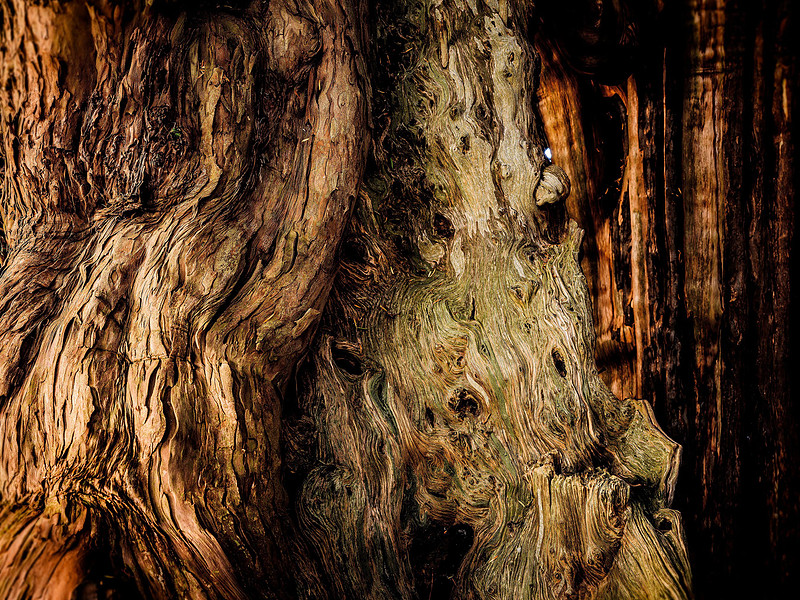
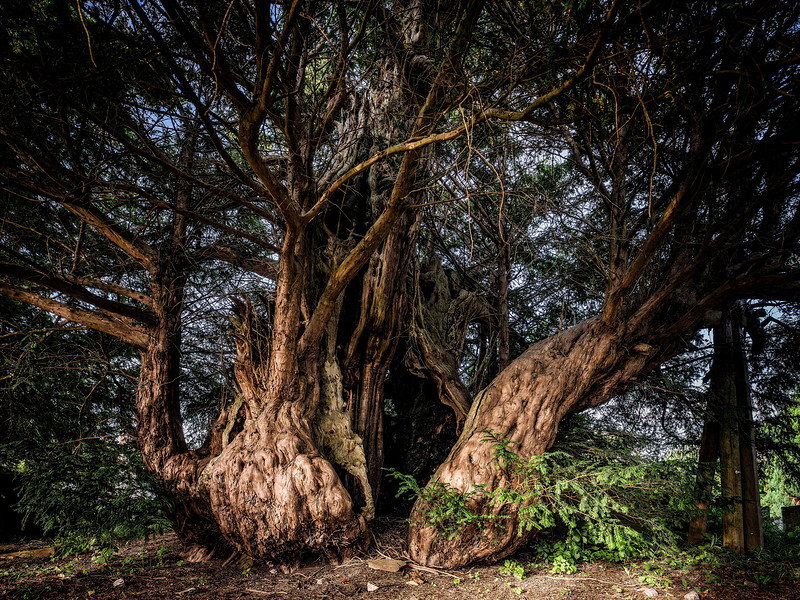
Working as one of the principal photographers on The Queen's Green Canopy was one of the greatest privileges of my career. Over the course of a year, I photographed more than half of the ancient trees and woodlands featured throughout the book, which was published to celebrate Her Late Majesty Queen Elizabeth II's Platinum Jubilee.
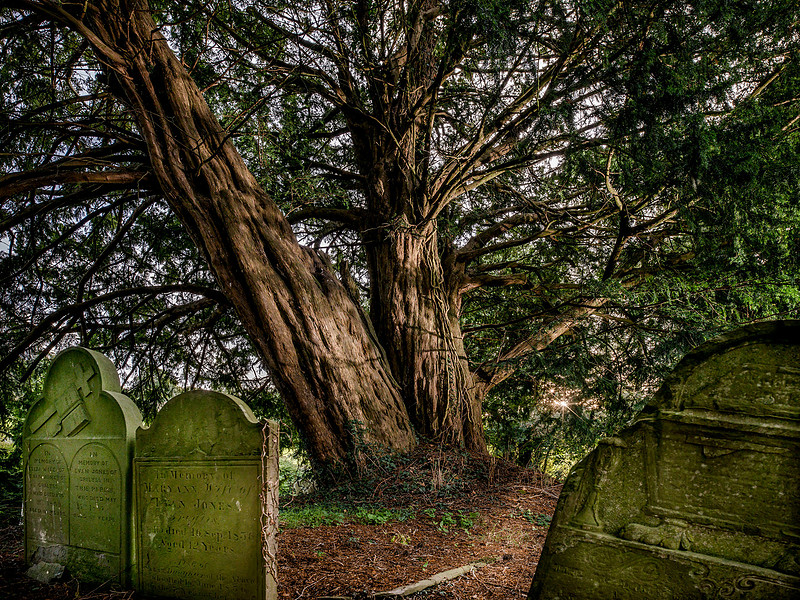
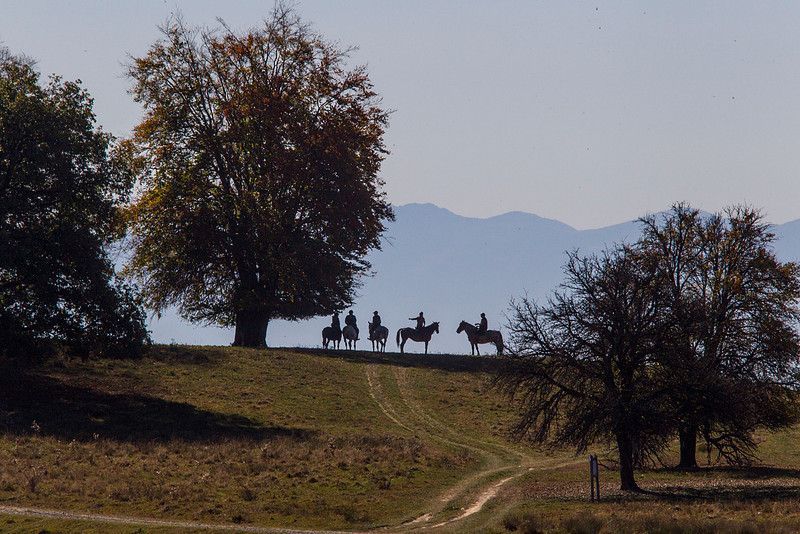
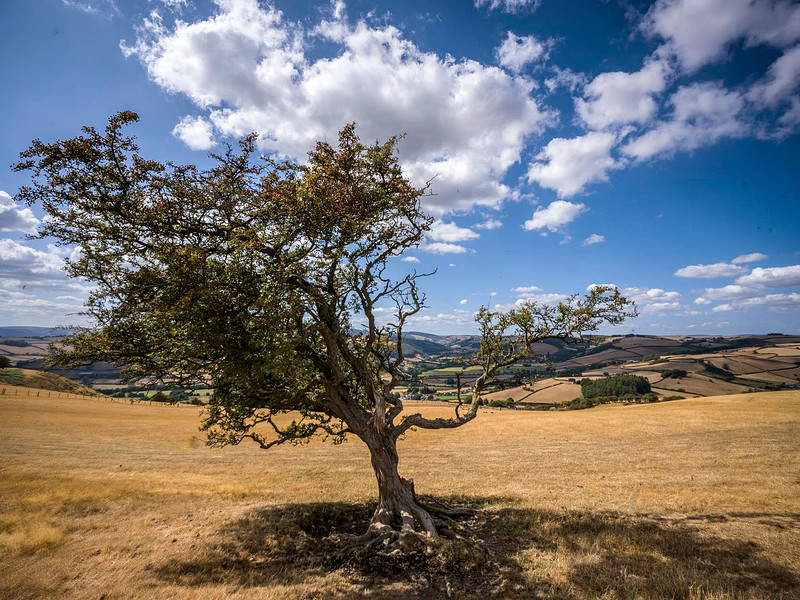
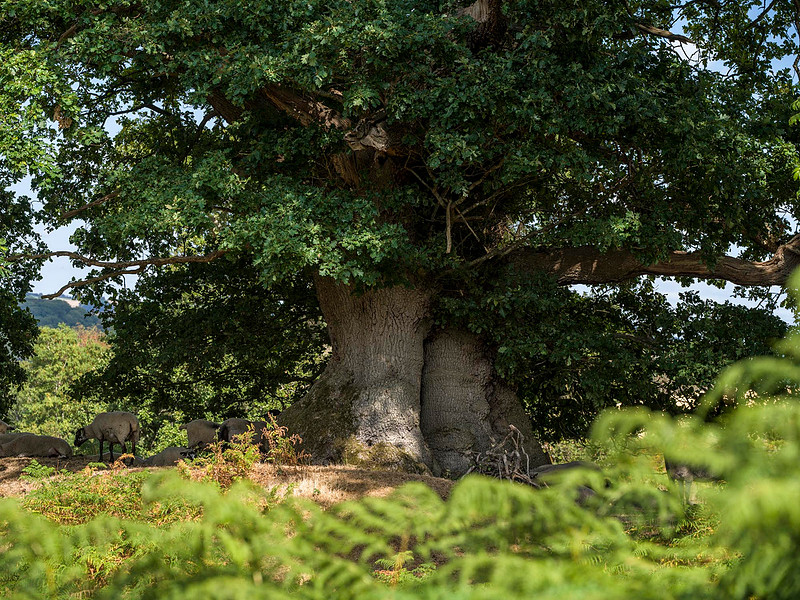
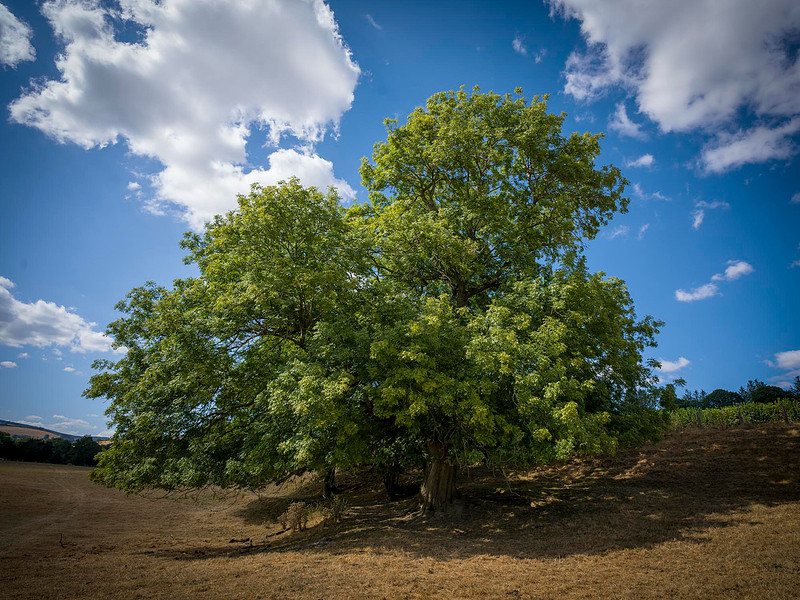
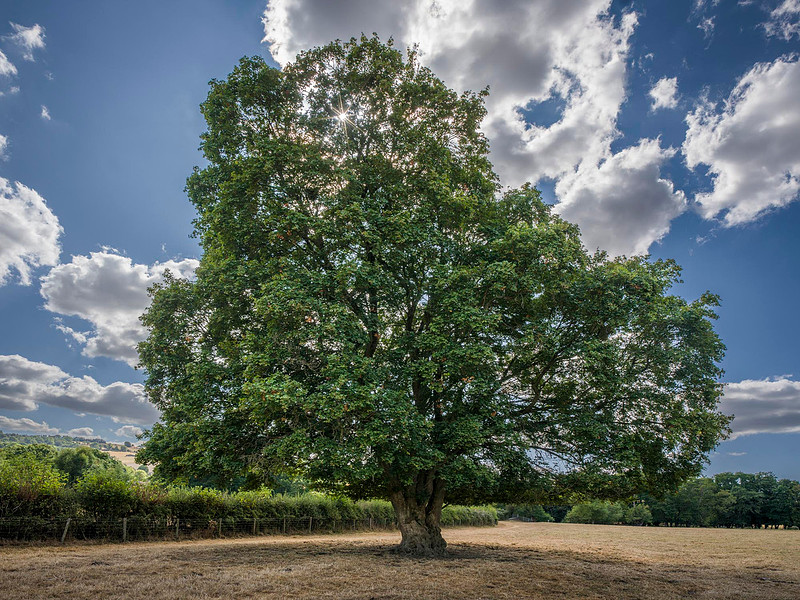
The project took me from some of Britain's oldest yew trees to majestic oaks, beeches and ancient woodlands that have witnessed centuries of our national history. Each tree carried its own story, but together they told a much larger one. Trees connect generations in a way few other living things can.
The Foreword was written by HM The King, reflecting his lifelong commitment to the countryside and the environment. Contributors came from many different walks of life, each sharing their own reflections on the importance of trees.
One of those contributors was Andy Burnham, then Mayor of Greater Manchester. His contribution appears on page 103.
Reading his words again, now in the context of his appointment as Prime Minister, prompted me to reflect on how environmental thinking has evolved within British public life.
Trees as Part of Society
Andy Burnham's contribution was not simply about planting trees. It recognised something much broader.
Trees improve the quality of the air we breathe. They help reduce flooding, cool our towns and cities, support wildlife and create healthier places in which to live. They are part of the social fabric of our communities as much as they are part of the natural landscape.
This understanding has gradually become more widely accepted. Successive political leaders have approached the environment in different ways, reflecting the challenges of their own times.
Harold Macmillan understood stewardship through his lifelong interest in woodland and forestry. Margaret Thatcher helped place climate science on the international political agenda. Theresa May's 25 Year Environment Plan set out the ambition for England to become the first generation to leave the natural environment in a better state than it inherited.
Today, climate resilience, biodiversity recovery, water quality and natural capital have become central to discussions about Britain's future.
Yet there remains a paradox.
We have never understood more about the importance of nature, yet nature itself continues to face enormous pressure.
Nature and the Economy
For many years, environmental protection and economic growth were presented as competing priorities. I believe that distinction is increasingly outdated.
A healthy natural environment is not separate from a successful economy. It is one of its foundations.
Healthy rivers can reduce water treatment costs. Woodlands store carbon, slow the movement of water through the landscape and support physical and mental wellbeing. Healthy soils underpin productive farming. Nature attracts visitors, sustains rural businesses and provides renewable materials for construction, furniture and manufacturing.
Governments, businesses and investors increasingly understand the economic importance of natural capital. The harder task is rebuilding our relationship with the natural world, so that woodlands, rivers and wildlife are not simply treated as environmental assets, but as living parts of our culture, economy and communities.
Nature should be economically valuable, but not economically exploited. The challenge is to create systems in which the responsible use of natural resources supports their long term recovery and resilience.
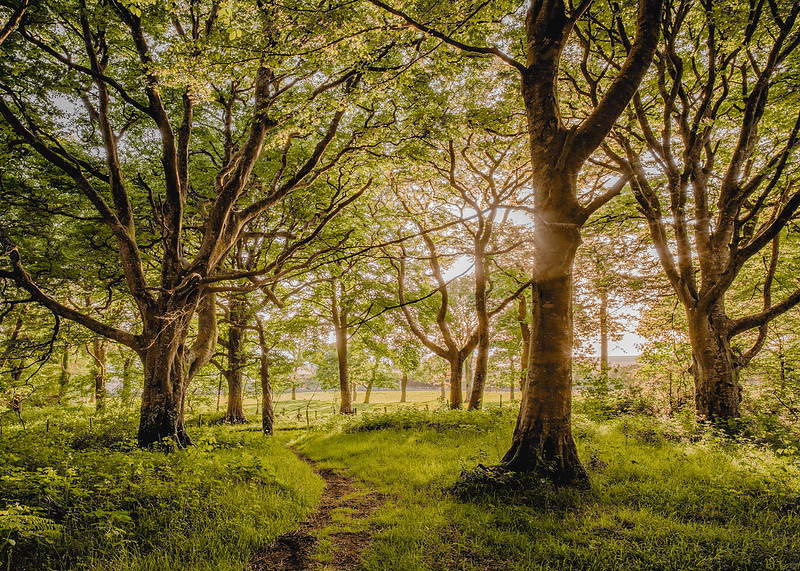

Have We Lost Our Wood Culture?
Photographing Britain's ancient trees has left me wondering whether we have gradually lost something that previous generations understood instinctively.
Our wood culture.
For centuries, woodland was woven into everyday life. It provided timber for homes, ships, furniture, fencing and tools. It supported foresters, coppice workers, sawyers, wheelwrights, charcoal burners and countless rural crafts.
Woodland had value because it was understood, managed and used. Skills were passed from one generation to the next, while working woods provided employment, materials, wildlife habitats and a close relationship between people and place.
Today, we rightly celebrate the planting of millions of trees, but planting is only the beginning.
The real measure of success is not simply how many trees go into the ground. It is how many survive, establish and thrive over the following fifty, one hundred or even three hundred years.
That requires good planning, suitable species selection, protection from browsing, sufficient water during establishment, continuing management and people with the skills and commitment to care for them.
Many organisations are already doing remarkable work to protect ancient trees, establish new woodlands and help communities reconnect with trees.
The Woodland Trust campaigns for the protection of ancient woodland and veteran trees while supporting woodland creation across the United Kingdom.
Action Oak brings together organisations working to protect the nation's oak trees from pests, diseases and other threats.
Trees for Cities works with communities to plant and care for trees in towns and cities, helping more people experience the health, social and environmental benefits of urban trees.
City of Trees is growing Greater Manchester's urban forest, creating greener places, supporting health and wellbeing and developing practical green skills.
More Trees supports tree planting projects that can also provide employment, skills and wider social benefits for local communities.
The Tree Council brings together communities, organisations and government with the shared aim of caring for trees and creating lasting change.
The Sylva Foundation is particularly relevant to the idea of rebuilding a British wood culture. Its work connects forest stewardship with the responsible use of home grown timber, training, innovation and rural enterprise.
Together with foresters, farmers, landowners, researchers, charities and thousands of volunteers, these organisations remind us that tree planting is not a single event. It is the beginning of a long responsibility.
Perhaps our national ambition should therefore be greater than simply planting more trees.
Perhaps we should seek to rebuild Britain's relationship with woodland by using more home grown timber, investing in forestry skills, supporting rural employment and managing woods for both biodiversity and sustainable production.
This could also bring wider benefits. Woodland work can provide purpose, practical skills, community involvement and meaningful contact with the natural world. These are increasingly recognised as important contributors to physical health and mental wellbeing.
Planting Is Only the Beginning
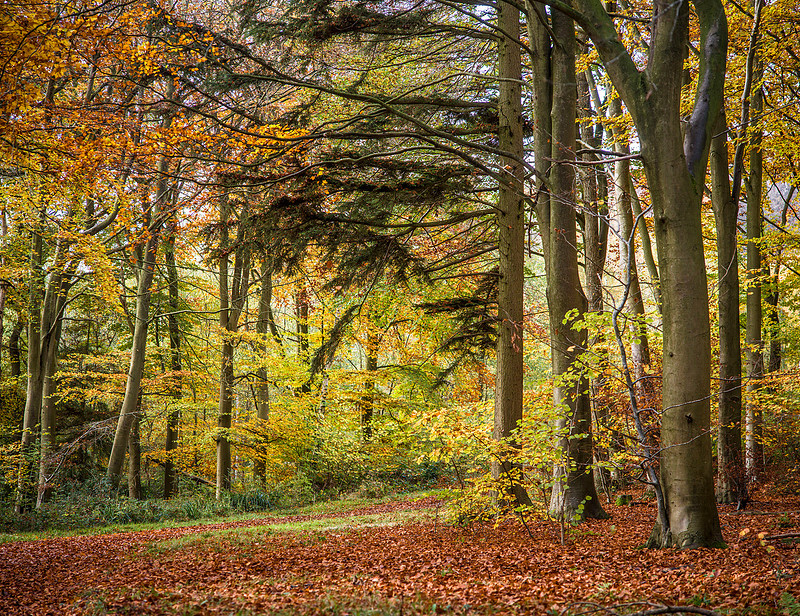
A newly planted tree is not yet a woodland.
Its future depends on careful establishment and continuing stewardship. Young trees may need protection from deer, livestock and competing vegetation. They may require watering during periods of drought and management as conditions change.
Success should not be measured only by the number of trees planted in a single season. It should also be measured by survival rates, healthy growth, ecological value and the ability of new woodlands to become resilient parts of the wider landscape.
This is especially important as the climate changes. The trees we plant now may experience very different temperatures, rainfall patterns, pests and diseases during their lifetimes.
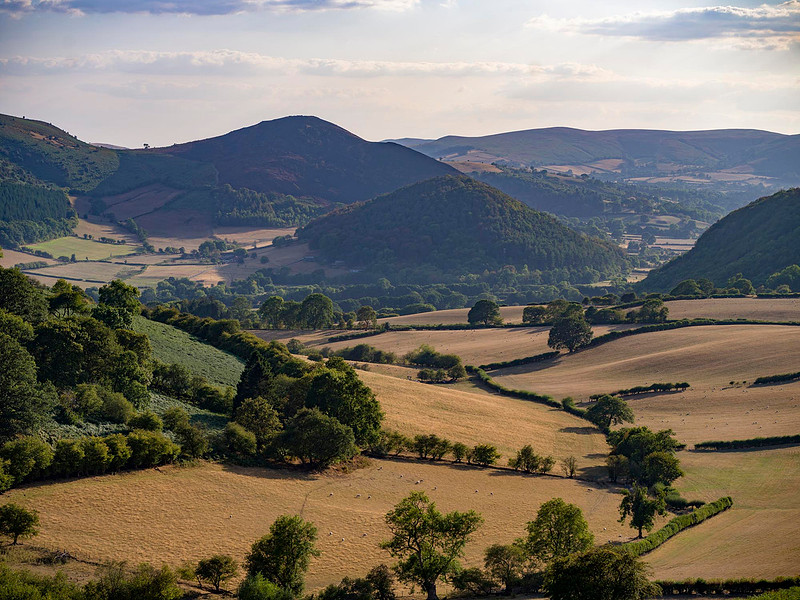
We therefore need to combine the protection of ancient trees and native woodland with thoughtful planning for the future. That means selecting trees suited to local soils and landscapes while also considering the conditions they may face in fifty or one hundred years.
Thinking in Centuries
The greatest lesson I learnt while working on The Queen's Green Canopy came not from the people I met, but from the trees themselves.
Every ancient oak, beech and yew had survived monarchs, governments, wars and countless Prime Ministers.
They remind us that while politics often measures success in years, nature measures it in centuries.
Perhaps that should influence how we think about environmental leadership.
We should not simply ask how many trees were planted, but whether they survived.
We should not simply celebrate strategies and targets, but ask whether future generations will inherit cleaner rivers, richer wildlife, healthier soils and more resilient landscapes.
We should also ask whether the trees planted today will become the productive woods, wildlife habitats and ancient trees of the future.
That, to me, is the enduring message of The Queen's Green Canopy.
It was never simply about planting trees.
It was about stewardship.
It was about legacy.
Above all, it was about recognising that the decisions we make today will shape Britain's landscape long after we are gone.
Have we lost our wood culture, and what should we do to rebuild it?
Discover The Queen's Green Canopy
View the special limited edition of The Queen's Green Canopy
Read more about The Queen's Green Canopy at Countryside Greetings